
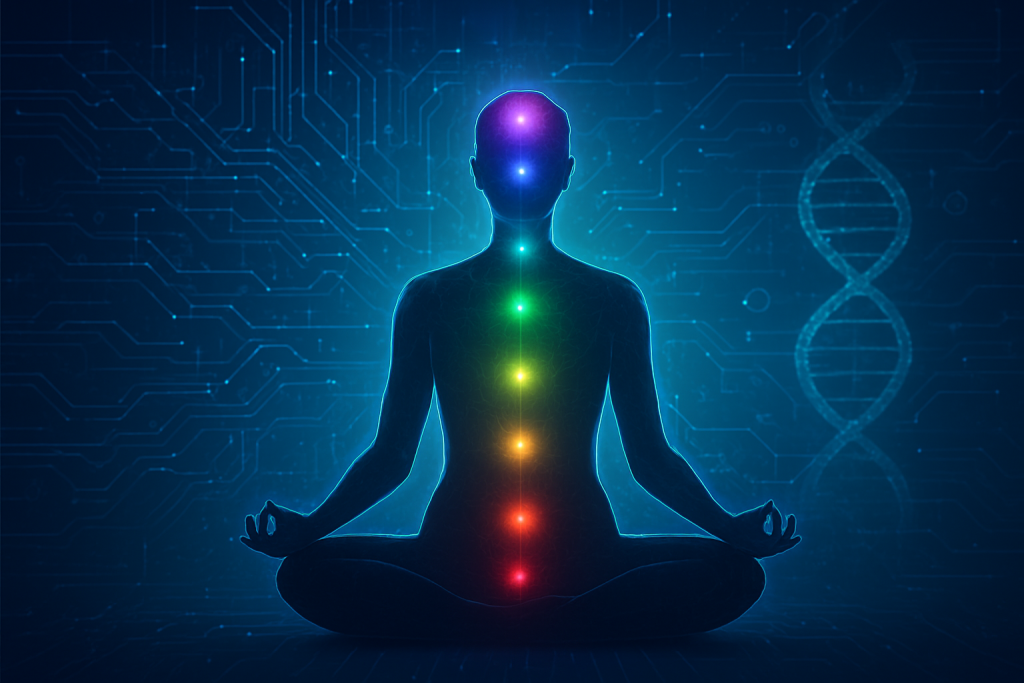
Biohacking with Yoga: Ancient Wisdom Meets Modern Science
In today’s fast-paced world, the pursuit of health, longevity, and peak performance has given rise to the concept of biohacking—a modern approach that involves making small, science-backed changes to optimize the body and mind. From wearable devices that track sleep to supplements that boost brain function, biohacking is often associated with high-tech solutions. But what if one of the most powerful biohacking tools has been around for thousands of years?
That tool is Yoga.
Yoga, rooted in ancient Indian wisdom, was originally designed as a holistic practice to harmonize body, mind, and spirit. Interestingly, modern science is now proving that many yogic techniques—from breathing exercises to meditation—are powerful biohacks that optimize human performance and overall well-being.
Yoga as a Natural Biohacking Tool
Unlike modern biohacking practices that often require gadgets or synthetic interventions, yoga uses the body’s own mechanisms to create lasting change. Here’s how yoga fits into the biohacking framework:
1. Optimizing the Nervous System
Yoga practices such as pranayama (breath control) directly influence the autonomic nervous system. Techniques like alternate nostril breathing or deep diaphragmatic breathing can lower stress hormones, balance heart rate variability (HRV), and improve resilience to stress—a key biohacking goal.
2. Enhancing Brain Function
Meditation and mindfulness, central to yoga, have been shown to increase gray matter in areas of the brain linked to memory, focus, and emotional regulation. Neuroscientific studies reveal that consistent yoga practice boosts neuroplasticity, helping the brain adapt, learn, and recover faster.
3. Hormonal Balance and Longevity
Yoga stimulates the parasympathetic nervous system, which helps regulate hormonal functions. This can positively affect cortisol (the stress hormone), melatonin (sleep regulation), and serotonin (mood and happiness). By keeping hormones balanced, yoga acts as a natural biohack for vitality and longevity.
4. Cellular and Genetic Benefits
Recent research suggests that yoga and meditation may even impact gene expression. Studies indicate that these practices can reduce inflammation at the cellular level and activate genes associated with health and longevity. This mirrors one of the most advanced goals of biohacking—improving health at the DNA level.
5. Energy Optimization
While biohackers use supplements and nootropics for energy and focus, yogic practices like Kapalabhati (breath of fire) and Surya Namaskar (sun salutations) naturally boost oxygenation, improve circulation, and increase mental clarity without external stimulants.
Bridging the Gap: Modern Science Meets Ancient Wisdom
What makes yoga unique in the biohacking space is its sustainability. Many high-tech or supplement-based biohacks offer temporary benefits, while yoga provides long-term transformation with minimal cost and no side effects.
Scientists are increasingly validating what yogis have known for centuries: mindful movement, breathwork, and meditation profoundly improve human health. Modern research on epigenetics, neurobiology, and psychoneuroimmunology now supports yoga’s impact on slowing aging, enhancing immunity, and improving mental performance.
By combining yoga with modern tracking tools like HRV monitors or sleep trackers, biohackers can measure real-time improvements and fine-tune their practice. This synergy is the perfect example of ancient wisdom meeting modern science.
How to Start Biohacking with Yoga
- Begin with Breathwork (Pranayama): Start with 5–10 minutes of deep belly breathing or alternate nostril breathing daily to reduce stress and enhance focus.
- Practice Asanas for Energy Flow: Include dynamic postures like Surya Namaskar to energize the body and improve circulation.
- Incorporate Meditation: Dedicate 10–15 minutes for mindfulness or guided meditation to rewire your brain for clarity and resilience.
- Track Your Progress: Use wearable devices to monitor HRV, sleep patterns, and stress levels to observe the measurable benefits of yoga.
Conclusion
Biohacking doesn’t always need cutting-edge technology or expensive interventions. Sometimes, the most effective tools are already within us, waiting to be harnessed. Yoga offers a natural, sustainable, and science-backed pathway to optimize body, mind, and spirit. By integrating yoga into the modern biohacking toolkit, we bridge the gap between ancient wisdom and contemporary science, unlocking the potential for a healthier, longer, and more fulfilling life.
References
- Harvard Health Publishing – Yoga for better health
- National Center for Biotechnology Information (NCBI) – Yoga as a therapeutic intervention